Super White Black Diamond Stingray
Total: $799
Why Buy From Imperial Dragon Arowana?
On orders $500+
100% DOA coverage
Quarantined & disease-free
Lifetime advice
We Ship Super White Black Diamond Stingray Nationwide
🔍 Searching for "Super White Black Diamond Stingray for sale near me"? We ship to your door with live arrival guarantee!
About the Super White Black Diamond Stingray
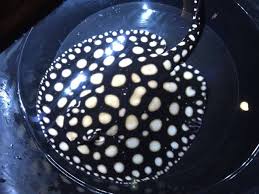
The Super White Black Diamond Stingray represents the pinnacle of Black Diamond breeding. Through generations of selective breeding, these rays exhibit an extreme white contrast that sets them apart from standard Black Diamonds. The spots are not just white – they are brilliant, pure white, often with a "glowing" appearance against an intensely black base. This variant is highly sought after by collectors and breeders worldwide.
Appearance
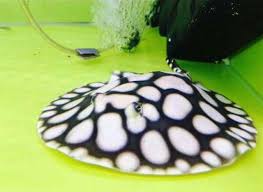
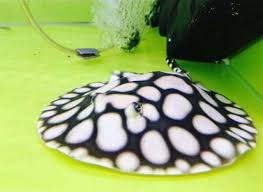
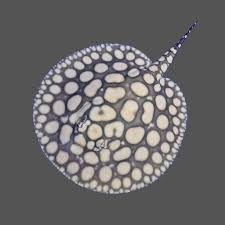
Super White Black Diamonds have a round, flat disc with a deep, velvety black base color. The spots are exceptionally bright white, large, and well-defined. In top-grade specimens, the spots may be so numerous and bright that they create a "pave" pattern, covering much of the disc. The spots often have a subtle halo or "dusting" that adds depth. The ventral side is typically white. The tail is long with a venomous spine.
Size & Growth
These rays reach a disc diameter of up to 24 inches. They are fast growers and require a spacious aquarium. With proper care, they can live 15-20 years or more.
Tank Requirements
A minimum tank size of 350 gallons is recommended for a single adult Super White, with larger tanks for multiples. The tank should be wide and long (at least 8' x 3.5') to provide ample floor space. Soft, sandy substrate is essential. Strong filtration and high water flow are necessary. Regular water changes (30-50% weekly) are crucial. Water parameters: temperature 78-86°F, pH 6.0-7.5, soft to moderately hard water. They are sensitive to poor water quality.
Diet
Super Whites are carnivores and need a protein-rich diet: live or frozen earthworms, blackworms, bloodworms, shrimp, small fish, high-quality sinking carnivore pellets, and chopped seafood like squid, mussels, and fish fillets. A varied diet helps maintain their intense coloration. Avoid feeding fatty meats.
Compatibility
Super White Black Diamonds are generally peaceful but will eat small fish. Suitable tank mates include arowanas, large catfish, and larger cichlids. Avoid aggressive species and fin-nippers. They can be kept with other stingrays if the tank is large enough.
Super White vs. Standard Black Diamond
The main difference is the intensity of the white spots and the darkness of the base. Super Whites are selectively bred for maximum contrast, resulting in brighter whites and deeper blacks. They are rarer and command a premium price. Standard Black Diamonds still have excellent contrast but may have smaller spots or less intense coloration.
📞 Call 520-809-7055 for current availability and pricing – these premium rays are extremely limited.